Category: USB microscope

halftones Scientific Art Examination

Identification of Prints: Modern Monochrome printing methods

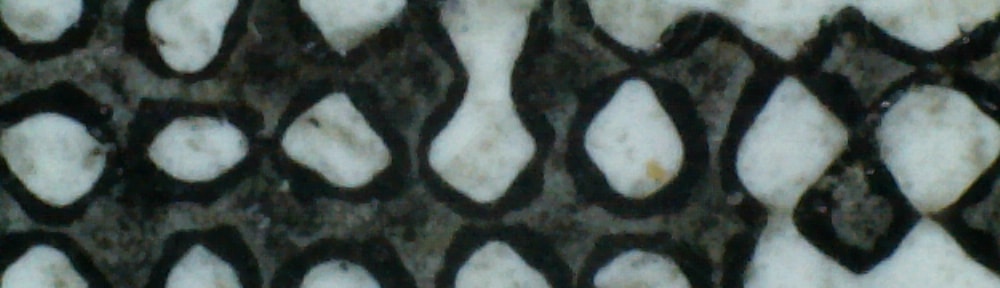
I posted already on the use of a USB microscope to identify the oldest manual printing methods, relief, and intaglio. I now look with my USB microscope at some modern monochrome printing methods to highlights some of their characterizing features. As usual, I don’t discuss the actual printing methods but just how to identify them.

Read More »
Scientific Art Examination

Identify Prints. Relief, Intaglio, Engraving and Etching

We do run a lot of initiatives, Stay on top of things! Looking at old and new prints with an USB microscope is revealing and with some experience can lead to their identification. Printmaking history is fascinating as well as a complex subject. I like to share in this post some basic hints on their

Read More »
Scientific Art Examination

Polarized USB Microscope

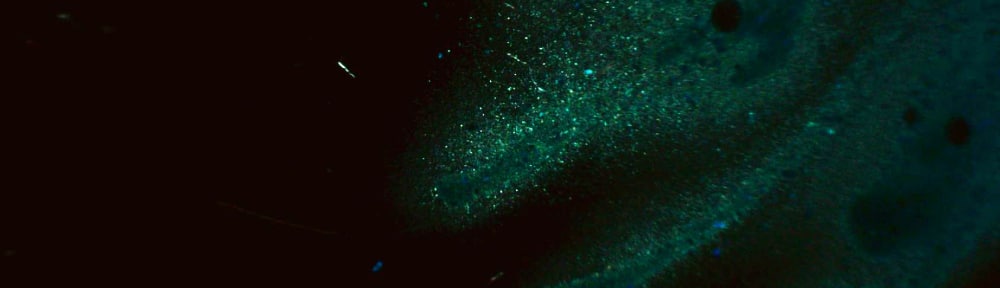
Polarized light capability can be added to one of those affordable USB microscopes which are becoming so widely use for art examination. I posted already on the usefulness of those  hand held microscopes, such as for documentation of pigments size and mixtures, craquelure features, textiles, observation of the preparation/ground through the cracks. I introduced the concept of Polarized

Read More »
Scientific Art Examination

Auto Focus USB Microscope

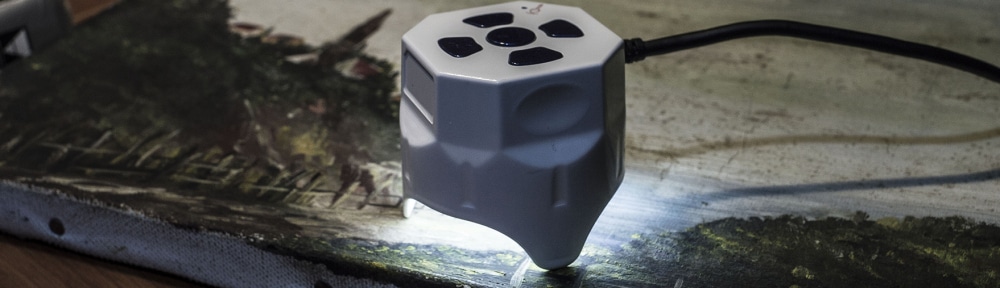
I just tested a new USB microscope. It’s in the range of the other affordable USB microscopes, under $100. You can find it on eBay searching “autofocus USB microscope”.Following my insights on this tool.   Autofocus and 3-feet configuration Autofocus. This is the reason I tested this USB microscope.  Indeed, it’s really uncomfortable to focus the other

Read More »
thread-count

Hand-Held Microscopy for Art Examination

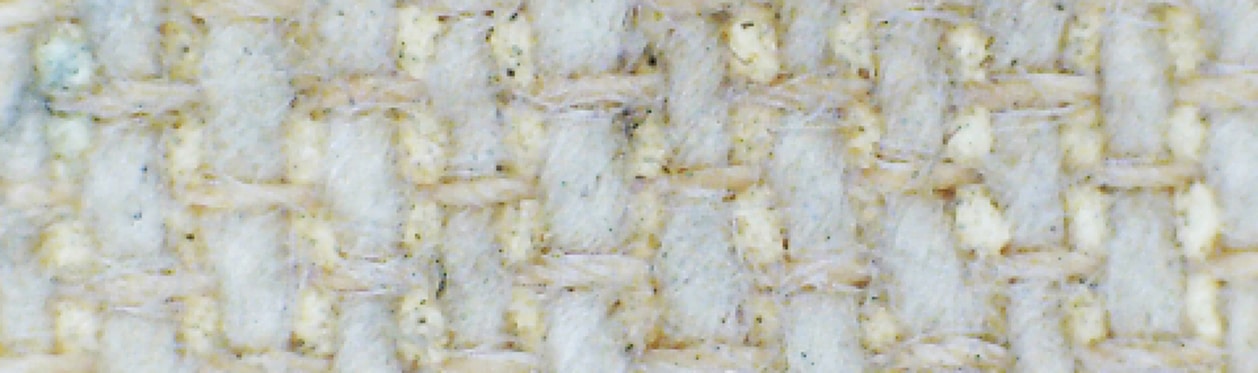
USB Hand-held microscopes cost less than $200 but turn out very useful in all those cases where you cannot take samples to put under a compound microscope. A USB microscope is essentially a macro lens, the magnification is restricted and is not comparable to a standard compound light microscope but features such as grain size

Read More »