LIBERO is a high-performance infrared filter that enhances the infrared vision of the technical photography camera. This filter just selects the furthest part of the infrared spectrum that a modified camera can detect.
Lens adapter The LIBERO filter is available in two sizes: 52mm and 72mm. It is designed to be mounted on the same magnetic support used by the filters in the Robertina filter set. If you already own the Robertina filter set, the LIBERO filter will be compatible with your existing Robertina lens adapter. For those who don’t use the Robertina filter set, the LIBERO filter can be purchased with its own Robertina lens adapter.
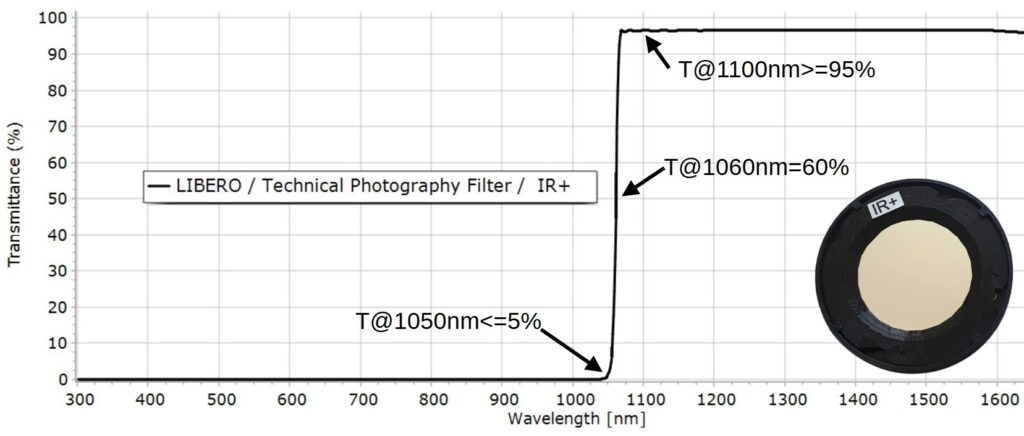
Transmittance curve of the LIBERO filter.
In conclusion, Libero, the high-performance IR+ filter by CHSOS, significantly elevates technical photography for cultural heritage and art examination. By precisely selecting the farthest segment of the infrared spectrum that a modified camera can detect, Libero delivers enhanced infrared imaging—ideal for revealing hidden underdrawings, obscured text, and pigment details through infrared transmitted photography. Whether applied to pigment analysis or historical document investigation, Libero ensures superior clarity and diagnostic insight. Enhance your technical photography toolkit with Libero for professional-grade infrared capabilities tailored to art conservation and scientific examination.
Free Course
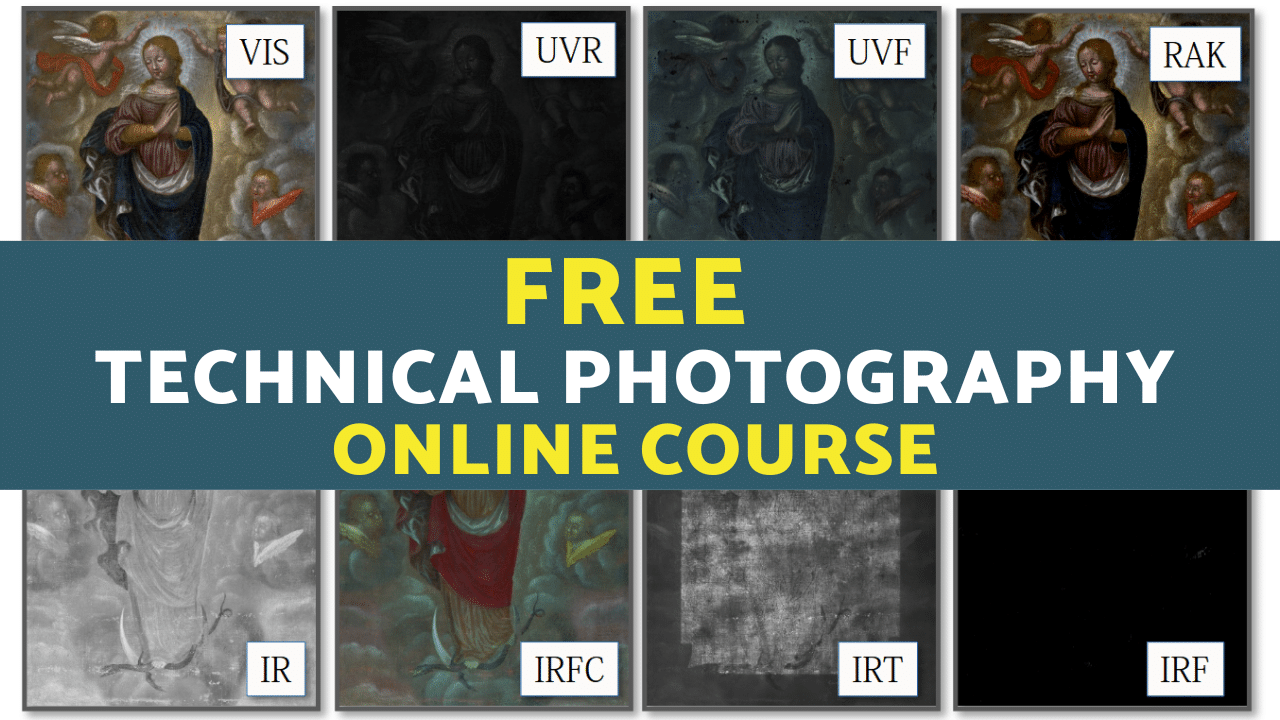
LIBERO is a high-performance infrared filter designed to enhance the infrared sensitivity of technical photography cameras. It selectively transmits the longest wavelengths detectable by a modified camera, improving infrared imaging performance. This short course demonstrates how to use LIBERO to enhance infrared technical photography for art examination.
In this lesson, we explore how infrared photography—enhanced by the LIBERO high-performance IR filter—interacts with the Pigments Checker Standard. This calibrated reference tool allows us to systematically observe how different pigments behave in the far infrared region, revealing variations in transparency, absorption, and contrast.
Infrared Transmitted Photography on Pigments Checker Standard
In this lesson, we investigate infrared transmitted photography (IRT) applied to the Pigments Checker Standard, enhanced by the LIBERO high-performance IR filter. Unlike reflected infrared photography, this method records radiation passing through the sample, allowing pigments to appear significantly more transparent and revealing features that remain hidden in standard IR imaging.
In this lesson, we demonstrate how infrared photography enhanced by the LIBERO high-performance IR filter can be used to reveal text obscured by an overlying layer of ink. This is a common challenge in the study of historical documents, manuscripts, and annotated artworks, where later additions partially or completely hide earlier writings.
In this lesson, we introduce the LIBERO (IR+) filter as a practical tool for reading palimpsests through advanced infrared technical photography. Palimpsests—manuscripts where original texts have been erased and overwritten—often require imaging methods capable of separating superimposed layers of ink.
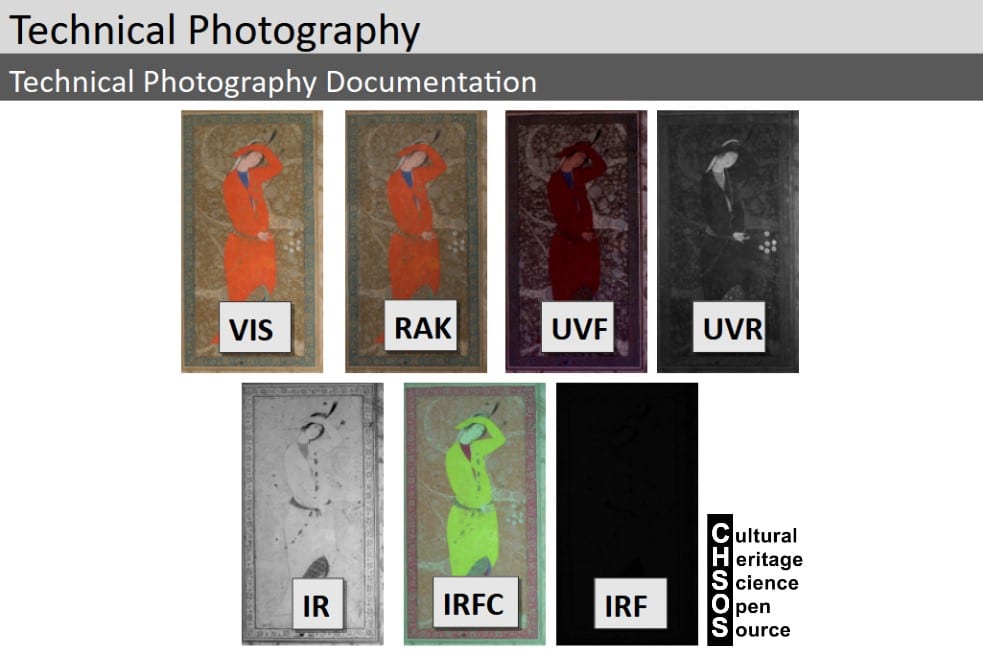
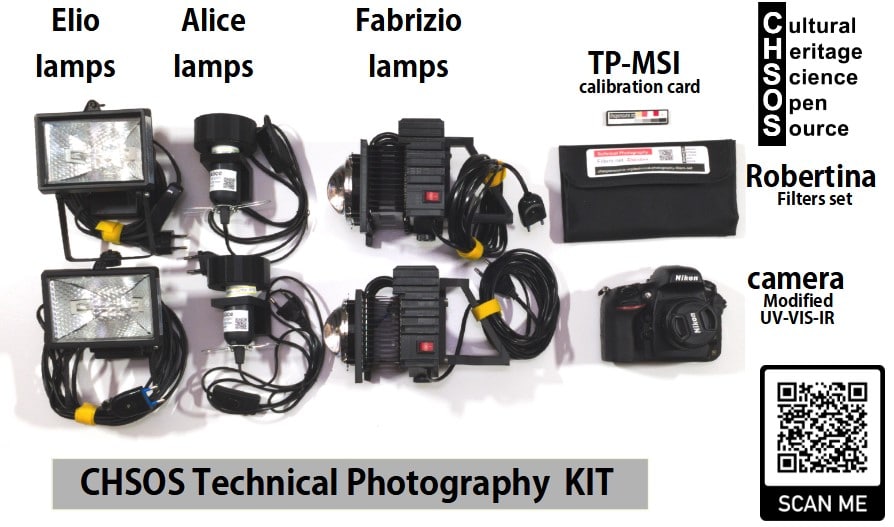
Technical Photography is one of the most powerful—and often overlooked—tools for the scientific examination of art and archaeology. If you are a conservator, scientist, or art collector and you are not yet familiar with this method, it is truly a missed opportunity. Using simple, affordable equipment and a clear methodology, Technical Photography allows you to reveal underdrawings, retouchings, material differences, and conservation issues in a completely non-invasive way. Far from being complex or inaccessible, it is an easy entry point into scientific analysis. In many cases, Technical Photography represents the first essential step toward a deeper understanding of artworks and archaeological objects.