- Understand the structural differences between the flesh side and the hair side of parchment.
- Learn how to effectively use raking light to highlight surface textures on parchment.
- Be able to visually inspect and differentiate between the hair and flesh sides of parchment using light and magnification techniques.
- Raking light source (e.g., a blade of light)
- Parchment samples
- Camera
1. Using Raking Light for Texture Examination:
Demonstrate how raking light helps in revealing surface textures on parchment.
Students will observe the differences between the smooth, uniform surface of the flesh side and the rough, follicle-marked hair side.
2. Visual Inspection of Parchment:
Explain how to use visual inspection techniques without the need for magnification. Emphasize texture, color, and the presence of hair follicle marks as key indicators.
Compare the two sides of parchment: identify smoothness on the flesh side versus the rougher texture of the hair side.


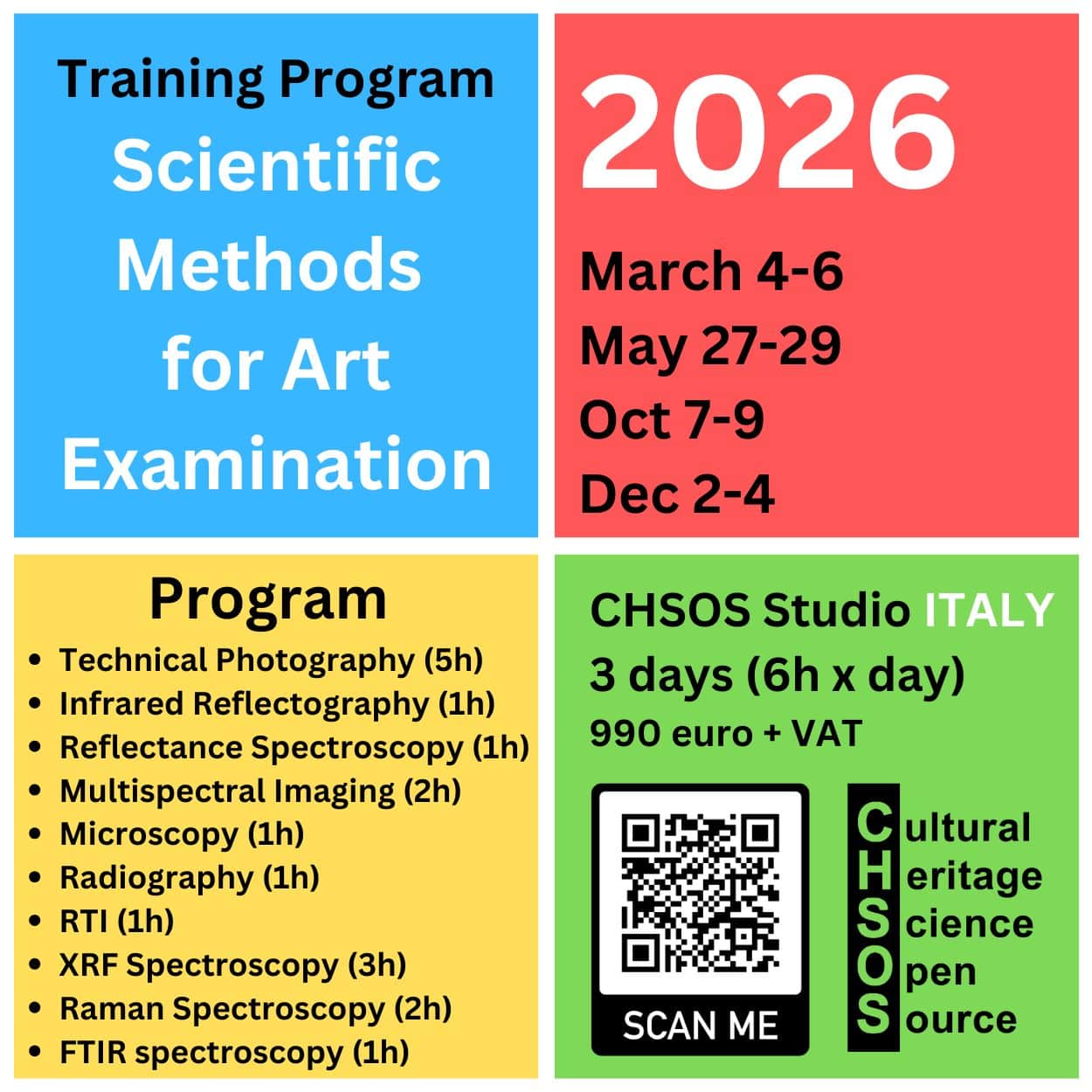
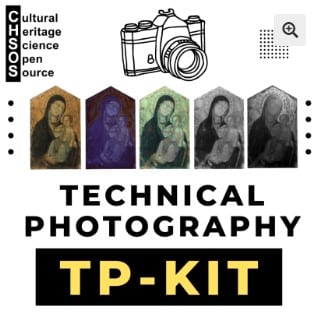
Learn Technical Photography for Art Examination
Technical Photography is one of the most powerful—and often overlooked—tools for the scientific examination of art and archaeology. If you are a conservator, scientist, or art collector and you are not yet familiar with this method, it is truly a missed opportunity. Using simple, affordable equipment and a clear methodology, Technical Photography allows you to reveal underdrawings, retouchings, material differences, and conservation issues in a completely non-invasive way. Far from being complex or inaccessible, it is an easy entry point into scientific analysis. In many cases, Technical Photography represents the first essential step toward a deeper understanding of artworks and archaeological objects.


Scientific Art Examination – Resources:
Getty Conservation Institute (GCI) – USA
The British Museum – Scientific Research Department – UK
Scientific Research Department – The Metropolitan Museum of Art, New York, USA
C2RMF (Centre de Recherche et de Restauration des Musées de France) – France
Rijksmuseum – Science Department – Netherlands