Multispectral Imaging

course palimpsest – msi

Multispectral imaging (MSI) is one of the most powerful and versatile non-invasive techniques used in cultural heritage science to reveal information that the human eye alone cannot see. By capturing images of an object across multiple wavelengths of light, including ultraviolet (UV), visible (VIS), and infrared (IR), MSI exploits the different ways materials absorb and reflect light to enhance contrast between layers, pigments, and inks. This makes it especially effective for uncovering hidden or faded features in manuscripts, artworks, and archaeological artifacts — including palimpsests, where old writings were erased and overwritten with new text.

In the context of palimpsest analysis, multispectral imaging allows conservators and researchers to visualize undertext that has been obscured through centuries of reuse, by isolating specific spectral bands where the contrast between the remaining traces of original ink and the overlying text is maximized. After capturing a series of spectral images, advanced processing techniques combine this data into a “multispectral cube,” enabling detailed examination and selective enhancement of features that are otherwise invisible in conventional photography.

This lesson guides you through how MSI is applied to palimpsests, illustrating both the principles of spectral imaging and its practical implementation in the study of erased manuscripts. Whether you are a conservator, researcher, or imaging specialist, mastering multispectral imaging opens a new window into the hidden histories of human creativity preserved in cultural heritage objects.

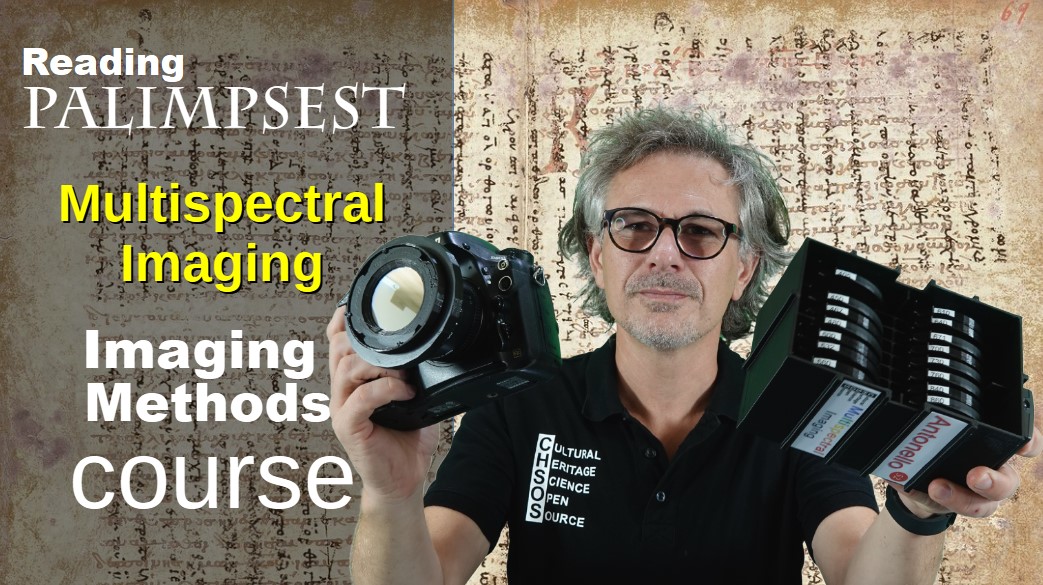
In this lesson, I’ll show how to use Multispectral Imaging to read what’s left of the original erased text. course reading palimpsests -multispectral imaging course reading palimpsests -multispectral imaging  

Learn Multispectral Imaging 

Multispectral imaging is a powerful extension of Technical Photography and a key step toward advanced scientific examination of art and archaeology. With the Antonello system, this approach becomes accessible, structured, and affordable, even for those without a strong technical background. If you are a conservator, scientist, or art collector and you are not yet using multispectral imaging, you are missing a valuable source of information. By capturing images under selected wavelength bands, the Antonello system helps reveal material differences, pigment distributions, and hidden features in a fully non-invasive way. Multispectral imaging with Antonello offers a practical and reliable starting point for evidence-based art analysis.


multispectral imaging for art


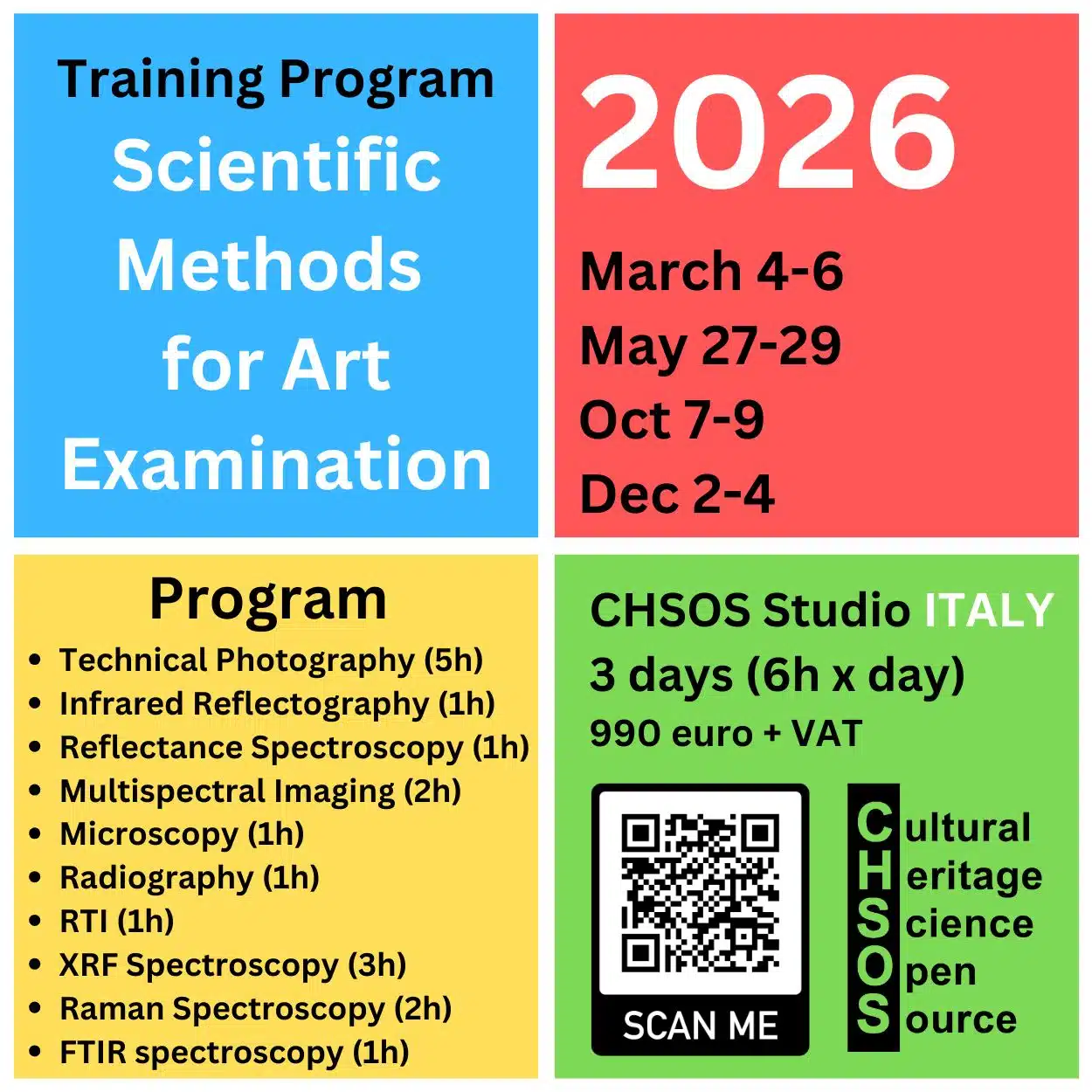
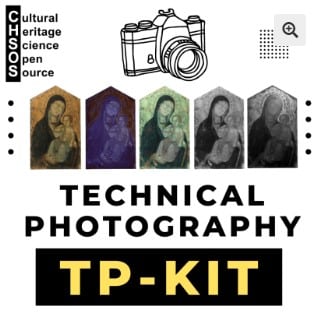
TP-KITTraining 2026

Scientific Art Examination – Resources:
Getty Conservation Institute (GCI) – USA
The British Museum – Scientific Research Department – UK
Scientific Research Department – The Metropolitan Museum of Art, New York, USA
C2RMF (Centre de Recherche et de Restauration des Musées de France) – France
Rijksmuseum – Science Department – Netherlands