MSI – Analyzing the Cube

This video introduces the core capabilities of the multispectral imaging software used to analyze the spectral cube created in the previous lesson with the Antonello filter set. Once multispectral data have been correctly acquired and aligned, the real analytical power lies in how those data are explored, compared, and interpreted. In this lesson, we move beyond image acquisition and focus on data analysis, showing how multispectral information can be transformed into meaningful visual and material insights.

A key feature demonstrated in the video is segmentation, referred to in the software as classification. This process groups pixels according to the similarity of their reflectance spectra across the selected wavelength bands. Instead of looking at single grayscale images, classification allows you to compare spectral behaviors and identify areas of the artwork that respond similarly to light. The result is the creation of false color images, where materials or pigments with comparable spectral characteristics are visually grouped.

These false color representations are not meant to be aesthetic outputs, but powerful analytical tools that support pigment differentiation, material mapping, and informed interpretation. By following this video, you will learn how to move from raw multispectral data to structured, interpretable results, making multispectral imaging an effective and accessible method for scientific art examination.

Learn Multispectral Imaging 

Multispectral imaging is a powerful extension of Technical Photography and a key step toward advanced scientific examination of art and archaeology. With the Antonello system, this approach becomes accessible, structured, and affordable, even for those without a strong technical background. If you are a conservator, scientist, or art collector and you are not yet using multispectral imaging, you are missing a valuable source of information. By capturing images under selected wavelength bands, the Antonello system helps reveal material differences, pigment distributions, and hidden features in a fully non-invasive way. Multispectral imaging with Antonello offers a practical and reliable starting point for evidence-based art analysis.


multispectral imaging for art


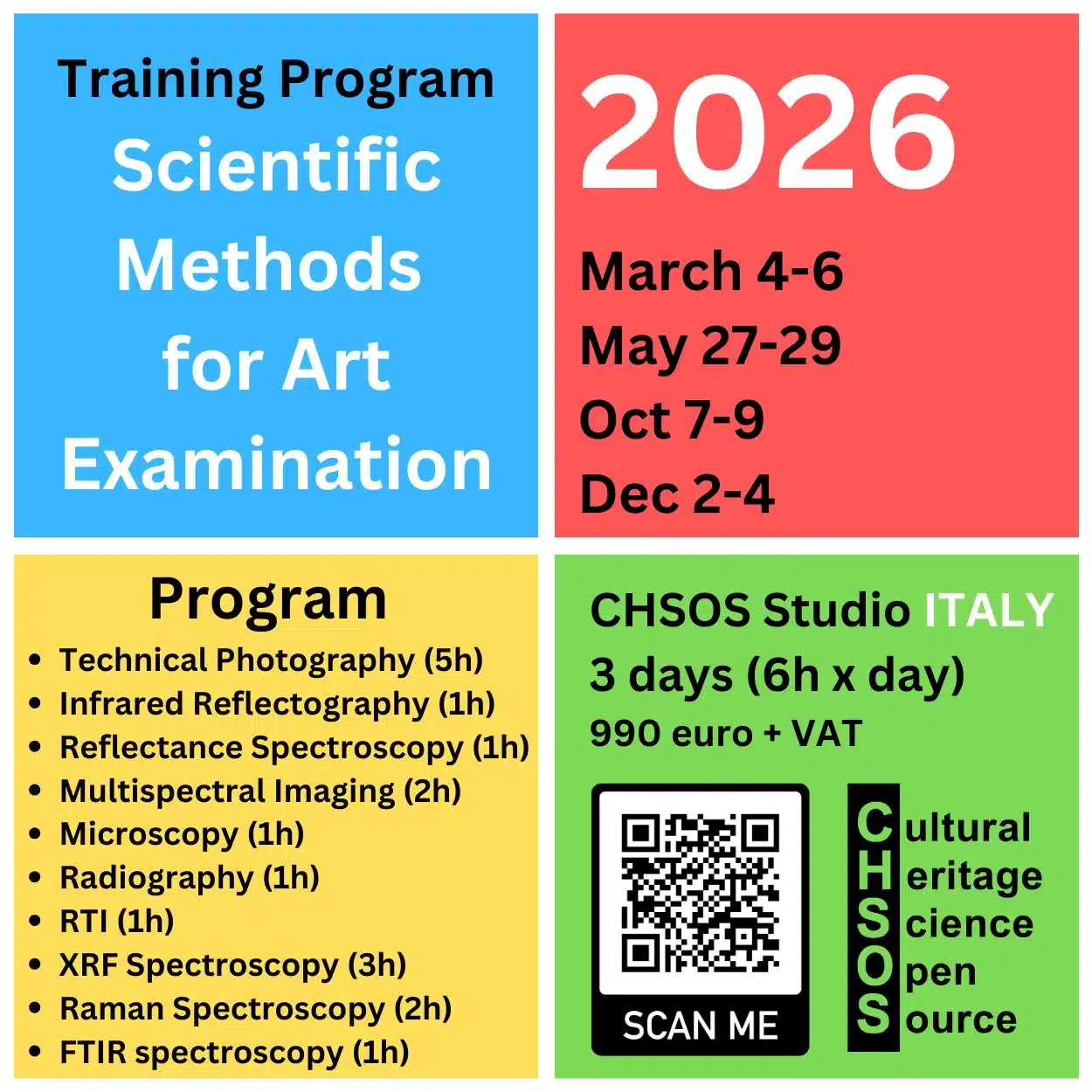
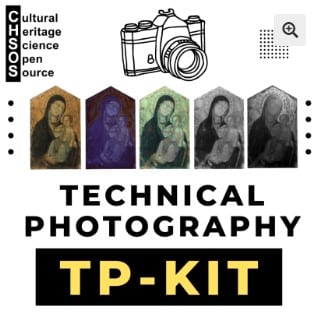
TP-KITTraining 2026

Scientific Art Examination – Resources:
Getty Conservation Institute (GCI) – USA
The British Museum – Scientific Research Department – UK
Scientific Research Department – The Metropolitan Museum of Art, New York, USA
C2RMF (Centre de Recherche et de Restauration des Musées de France) – France
Rijksmuseum – Science Department – Netherlands