LIBERO - the IR+ Filter
LIBERO is a high-performance infrared filter that enhances the infrared vision of the technical photography camera. This filter just selects the furthest part of the infrared spectrum that a modified camera can detect.
Features
AOI 0°
OD5-OD6@300-1000nm
2 mm Fused Silica substrate
T@1050nm<=5%
T@1060nm=50%
T@1100nm>=96%
Lens adapter
The LIBERO filter is available in two sizes: 52mm and 72mm. It is designed to be mounted on the same magnetic support used by the filters in the Robertina filter set.
If you already own the Robertina filter set, the LIBERO filter will be compatible with your existing Robertina lens adapter. For those who don’t use the Robertina filter set, the LIBERO filter can be purchased with its own Robertina lens adapter.
High-performance infrared filter
Libero
From the Course: Reading Palimpsests, Imaging Methods
Course: Reading Palimpsests – Imaging methods
In conclusion, Libero, the high-performance IR+ filter by CHSOS, significantly elevates technical photography for cultural heritage and art examination. By precisely selecting the farthest segment of the infrared spectrum that a modified camera can detect, Libero delivers enhanced infrared imaging—ideal for revealing hidden underdrawings, obscured text, and pigment details through infrared transmitted photography.
Whether applied to pigment analysis or historical document investigation, Libero ensures superior clarity and diagnostic insight.
Enhance your technical photography toolkit with Libero for professional-grade infrared capabilities tailored to art conservation and scientific examination.
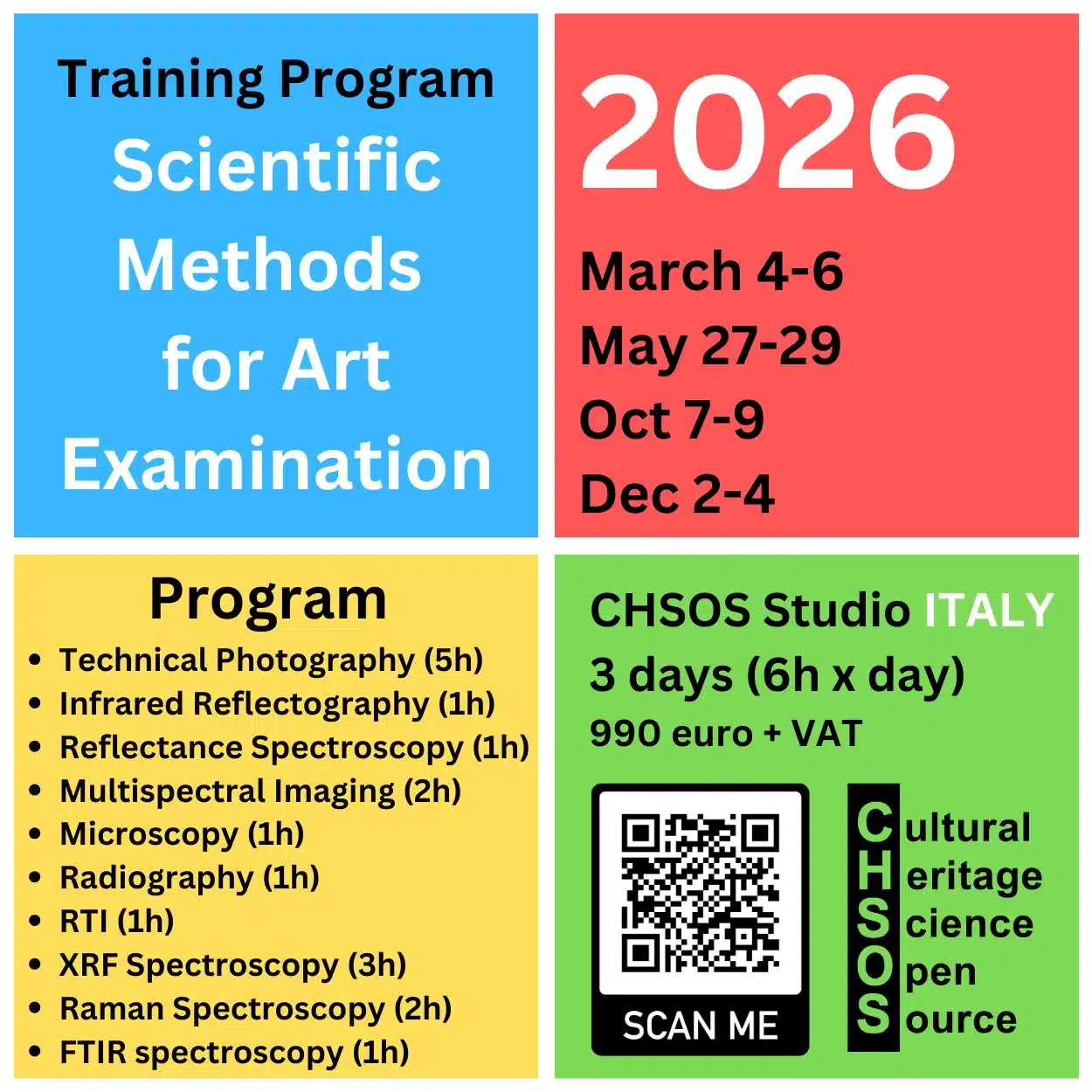
Learn Technical Photography for Art Examination
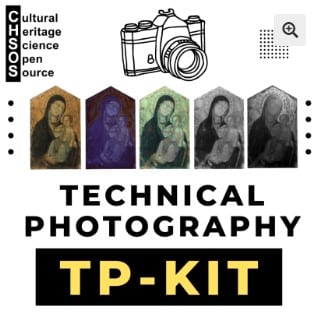
Technical Photography is one of the most powerful—and often overlooked—tools for the scientific examination of art and archaeology. If you are a conservator, scientist, or art collector and you are not yet familiar with this method, it is truly a missed opportunity. Using simple, affordable equipment and a clear methodology, Technical Photography allows you to reveal underdrawings, retouchings, material differences, and conservation issues in a completely non-invasive way. Far from being complex or inaccessible, it is an easy entry point into scientific analysis. In many cases, Technical Photography represents the first essential step toward a deeper understanding of artworks and archaeological objects.
Scientific Art Examination – Resources:
Getty Conservation Institute (GCI) – USA
The British Museum – Scientific Research Department – UK
Scientific Research Department – The Metropolitan Museum of Art, New York, USA
C2RMF (Centre de Recherche et de Restauration des Musées de France) – France
Rijksmuseum – Science Department – Netherlands