RS – GorgiasUV – unboxing, setup, and troubleshooting
GorgiasUV
Unboxing
This video provides a step-by-step demonstration of how to unbox and assemble your GorgiasUV system. From carefully unpacking each component to correctly connecting the lamps, filters, and mounting elements, the video guides you through the entire setup process. Clear instructions ensure that all parts are handled safely and assembled in the proper order, allowing you to achieve optimal performance from the system. Whether you are setting up the GorgiasUV for the first time or refreshing your knowledge, this video offers practical tips and visual guidance to make the assembly smooth and straightforward. By following these steps, you can quickly prepare your GorgiasUV for accurate ultraviolet imaging and technical photography examinations.
Lamps' collimator
If your optical setup shows a shaking or unstable collimator, it can affect the accuracy and quality of your imaging or spectroscopic measurements. This video demonstrates how to identify the cause of collimator instability and provides step-by-step instructions to correct it. From checking mounting screws and alignment to ensuring proper support and tension, each step is explained clearly and safely.
Artifact at 658 nm
Be aware that with the GorgiasUV you can have an artifact looking like a peak at 658 nm, if the calibration is not perfect. In case you get this sharp peak at 658 nm in your spectra, it means it is time to make calibration again. Calibration needs to be checked once in a while because the temperature of the lamp will change over time and will its output.
How to remove the artifact at 658 nm
This video shows how to remove the artifact at 658 nm using Spectragriph, the free software for spectroscopy: https://www.effemm2.de/spectragryph/
Learn Technical Photography for Art Examination
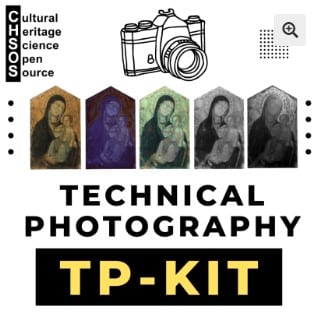
Technical Photography is one of the most powerful—and often overlooked—tools for the scientific examination of art and archaeology. If you are a conservator, scientist, or art collector and you are not yet familiar with this method, it is truly a missed opportunity. Using simple, affordable equipment and a clear methodology, Technical Photography allows you to reveal underdrawings, retouchings, material differences, and conservation issues in a completely non-invasive way. Far from being complex or inaccessible, it is an easy entry point into scientific analysis. In many cases, Technical Photography represents the first essential step toward a deeper understanding of artworks and archaeological objects.