Art Conservation Science Techniques and Innovations - Page 51 of 56 - Cultural Heritage Science Open Source

Scientific Technical Photography

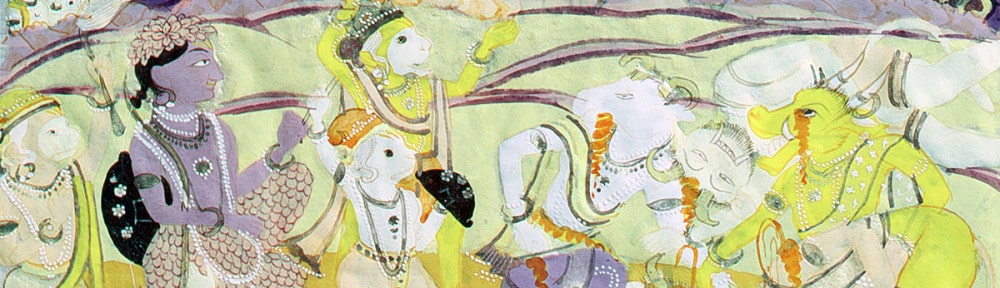
Photoshop for Infrared False Color. Speed up tips.

In this blog I give tips on using Photoshop CS6 to speed up some infrared false color (IRFC) imaging editing.In a time of economic restraint, it’s important to improve productivity. This’s pretty true for cultural institutions that are usually underfunded and since I’m running my little service for art documentation, I know really well that
Read More »
Scientific Technical Photography

Infrared False Color for Art Examination

We do run a lot of initiatives, Stay on top of things! I noticed that I’m focusing this blog too much on technical and geeky stuff on how the scientific tools work rather than telling why we actually use the different imaging methods.  So, this post explains why we use Infrared False Color with some

Read More »
thomas-gainsborough

Thomas Gainsborough. Technical Art Examination.

As soon as I get an assignment for a painting documentation and examination, first thing, I look for published technical art examination material on that specific artist. Shooting multispectral images doesn’t make you an expert. One thing is to shoot a medical X-ray, another is to interpret the X-radiograph! Right? It’s probably pretty easy to operate

Read More »
Scientific Technical Photography

Teaching Scientific Art Examination

Last year I was teaching Scientific Art Examination in an Art College in New York, the Pratt Institute. The following material could be useful for those educational institutions interested in developing a course on scientific examination of art. In 2009- 2010 I was working on a huge proposal for the US National Science Foundation program ISE (Informal

Read More »
cross-section photoshop

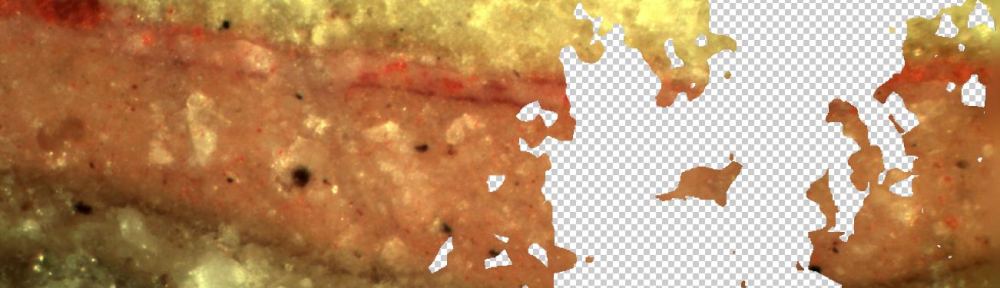
Photoshop for paintings’ cross-sections.

Shallow depth of field is a big issue in cross-section examination. It is not that easy to have your embedded sample perfectly flat and laid horizontally under the objective. The outcome is that the sample is not all on focus. You can focus on one area but you lose detail on another area. If this is your

Read More »