Art Conservation Science Techniques and Innovations - Page 53 of 56 - Cultural Heritage Science Open Source

Scientific Art Examination

Multispectral Imaging with Fujifilm S5 pro

I had a Fujifilm S5 Pro that I used for multispectral imaging back in Brooklyn. This camera was manufactured specifically for UV-IR forensic photography. I sold it to switch to a Nikon D800. The camera was great, I sold it just because I needed a higher pixel count (I went from 12MP to 36MP) and there were
Read More »
prepared slides micro

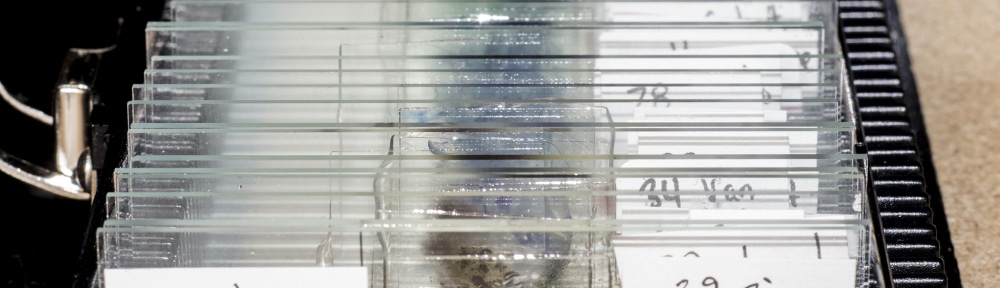
Microscopy for Art Examination: making slide mounts

Last week I was in Florence visiting my friends at Editech. This is the first established  Italian company working on art diagnostics. They had an awesome office space 5 minutes from the famous city’s location “ponte vecchio.” Now they just moved to a – yet better place! an historical building facing Arno river, just 1 minute

Read More »
ultramarine natural

Microscopy for Art Examination: Polarizing Microscopy

This video is just an emotional collection of images. I say emotional because it is a pleasure looking at the mineral pigments under the microscope. Readings I suggest to get a serious handle of polarizing microscopy for art examination are ][1, 2, 3, 4]. And if you want to know EVERYTHING about pigments identification I

Read More »
CROSS-SECTION

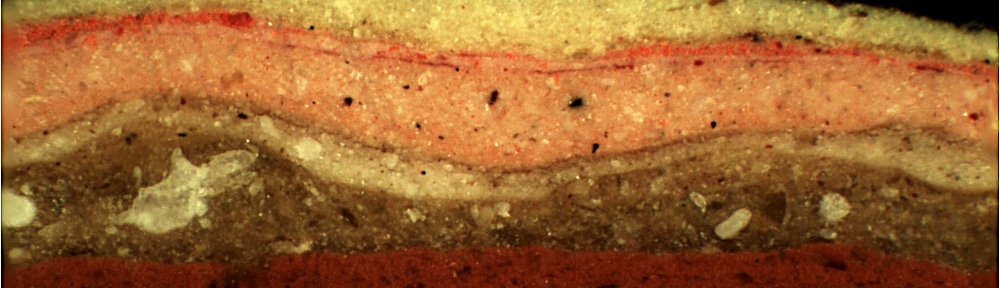
Microscopy for Art: Cross-Sections Preparation

Optical Microscopy is affordable and provides plenty of information for art documentation and examination. Though, my feeling is that it has been overlooked in academia and in education for conservation scientists and probably also for conservators. You don’t want to shoot a mosquito with a cannon, right? A good enough polarizing microscope goes for $5000 (much less on the

Read More »
thread-count

Hand-Held Microscopy for Art Examination

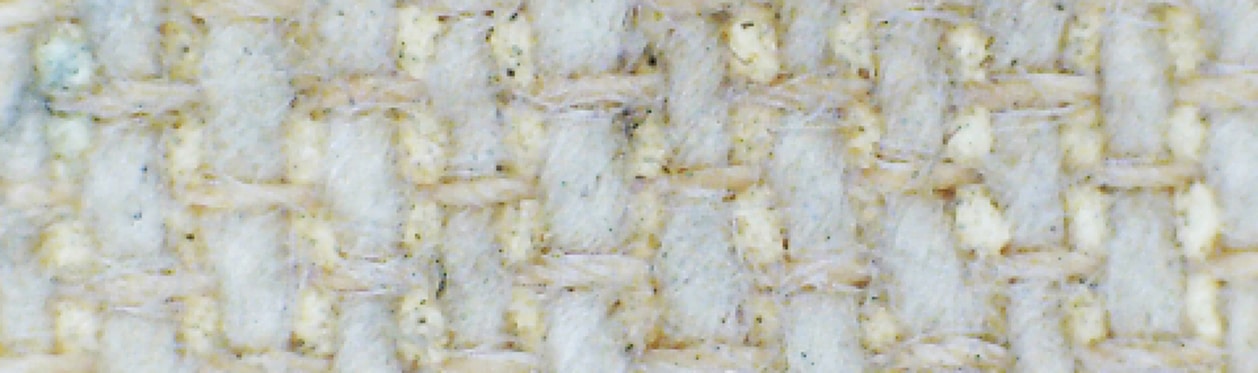
USB Hand-held microscopes cost less than $200 but turn out very useful in all those cases where you cannot take samples to put under a compound microscope. A USB microscope is essentially a macro lens, the magnification is restricted and is not comparable to a standard compound light microscope but features such as grain size

Read More »